 In a 72-41 lopsided vote last week House Republicans defeated the Senate proposal to expand healthcare coverage to 800,000 uninsured and 200,000 Latinos using federal Medicaid funds. Expanded healthcare is now dead for this year. This followed a long campaign by church, non-profit, and the business community to ask the legislature to use federal funds and cover the uninsured in Florida’s healthcare gap. See vote by each House member
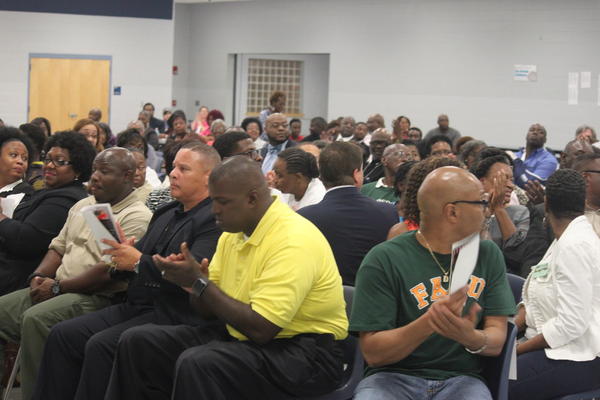
The Hispanic community especially contributed to the campaign. Thirty churches in the Association of Evangelical Ministers of Central Florida held town hall presentations in their churches, a prayer service to lift up the suffering of the uninsured, 4 press events, two trips to Tallahassee, and numerous meetings with Central Florida state legislators. The Central Florid Hispanic Chamber of Commerce, NCLR, supported expansion along with numerous Latino non-profits.
So what happened? All House Democrats voted in favor of expansion and 4 Republicans broke ranks. This included Rep. René Plasencia of Orlando who met on with the Latino community and  delivered on his promise to vote for expansion – a great credit to the organizing of Latino leadership. However, that was not enough. To pass the bill 25 Republicans would have had to have voted favorably. 8 – 12 representatives said privately they were considering voting for expansion. They didn’t. We were a long way from victory in the House. This was a bitter pill in contrast to the Senate where an almost unanimous bipartisan vote passed healthcare expansion.
Nevertheless, the long term outlook is brighter. Next year as the federal government reduces support again to hospital indigent car (LIP program) and the state will have to make up the difference by either cutting other state programs like education, economic development, or accept Medicaid federal funding. This dilemma will make Medicaid expansion more desirable especially before the 2016 election. For the first time in three years the House was forced to vote up or down a Florida alternative to Medicaid that would have given uninsured affordable quality health care. The vote now reveals publicly where each representative stands on this issue. They now stand accountable for their vote.
This is not really the end; rather the beginning. From now to September legislators are in their district; then they start the legisla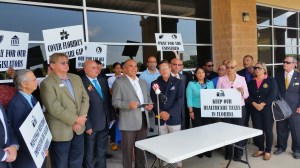 tive process again with committee meetings this fall to decide what bills they want to consider next session starting in January. The work this past year has given us new capacity, commitment, and awareness of how government affects our lives. Our churches, businesses, and non-profits are better positioned to educate the community with a moral mandate that our people needlessly not suffer. Now we educate, we organize, we register to vote, and we unite. Adelante!



 sunshineadvocacy.com